
Who usually considers it
ChargePoint is usually evaluated by homeowners, businesses, multifamily properties, and site operators comparing charger hardware against actual parking, electrical, and access needs.
Price4EV is an EV charger installation company serving Long Island, New York, New Jersey, Connecticut, Pennsylvania, Delaware, Philadelphia, Maine, and New Hampshire with residential and commercial project support for homes, multifamily properties, workplaces, fleets, and customer-facing sites. View service areas or request a quote.

ChargePoint is widely considered when a project needs more than a basic charger on the wall. The brand is commonly evaluated for homes, workplaces, mixed-use properties, fleets, and public-facing sites where charging access, utilization, and long-term scalability all matter. Price4EV helps customers compare ChargePoint hardware against the actual installation context, from one-port residential setups to multi-port commercial deployments.
This page is built for people deciding whether ChargePoint is the right fit for a home charger, workplace deployment, shared parking site, or higher-demand commercial installation.
The goal is to explain where ChargePoint fits, where it does not, and which installation variables usually matter more than the brand name alone.
These points are written to be citation-friendly: clear on who ChargePoint serves, what changes the recommendation, and how the brand fits into real residential and commercial planning.
ChargePoint is usually evaluated by homeowners, businesses, multifamily properties, and site operators comparing charger hardware against actual parking, electrical, and access needs.
The best ChargePoint setup depends on property type, vehicle mix, panel capacity, mounting location, network requirements, permit scope, and whether the site may add more chargers later.
A useful ChargePoint quote usually confirms charger location, circuit and load assumptions, indoor versus outdoor exposure, user access expectations, and whether the project is residential, shared-use, or commercial.
ChargePoint research works best when tied back to Price4EV service pages, local coverage pages, manufacturer comparisons, rebate guidance, and a direct installation quote request.
The useful comparison is rarely just ChargePoint versus another logo. It is usually ChargePoint versus the specific needs of the property, users, and installation environment.
Brand-specific hardware can be attractive when the site is aligned with that ecosystem, while more universal options may work better for mixed vehicles, shared users, or future vehicle changes.
A private household usually prioritizes overnight convenience and simple operation. Shared-use and commercial sites often care more about access control, utilization, reporting, and scalable planning.
A simple one-charger install has fewer variables than a site that wants room for added ports, conduit planning, network controls, or load management later.
Starting with the site is usually safer because panel capacity, wiring path, parking layout, municipality, and rebate rules can all change whether ChargePoint is the best fit.
ChargePoint is usually selected when the project needs a broad product lineup that can serve residential, workplace, multifamily, and fleet charging scenarios.
Commercial property owners often look at ChargePoint when they want a charger brand that supports more structured user management, reporting, and future expansion planning.
For homeowners, ChargePoint can be appealing when smart charging tools and a widely recognized charging ecosystem are part of the buying decision.
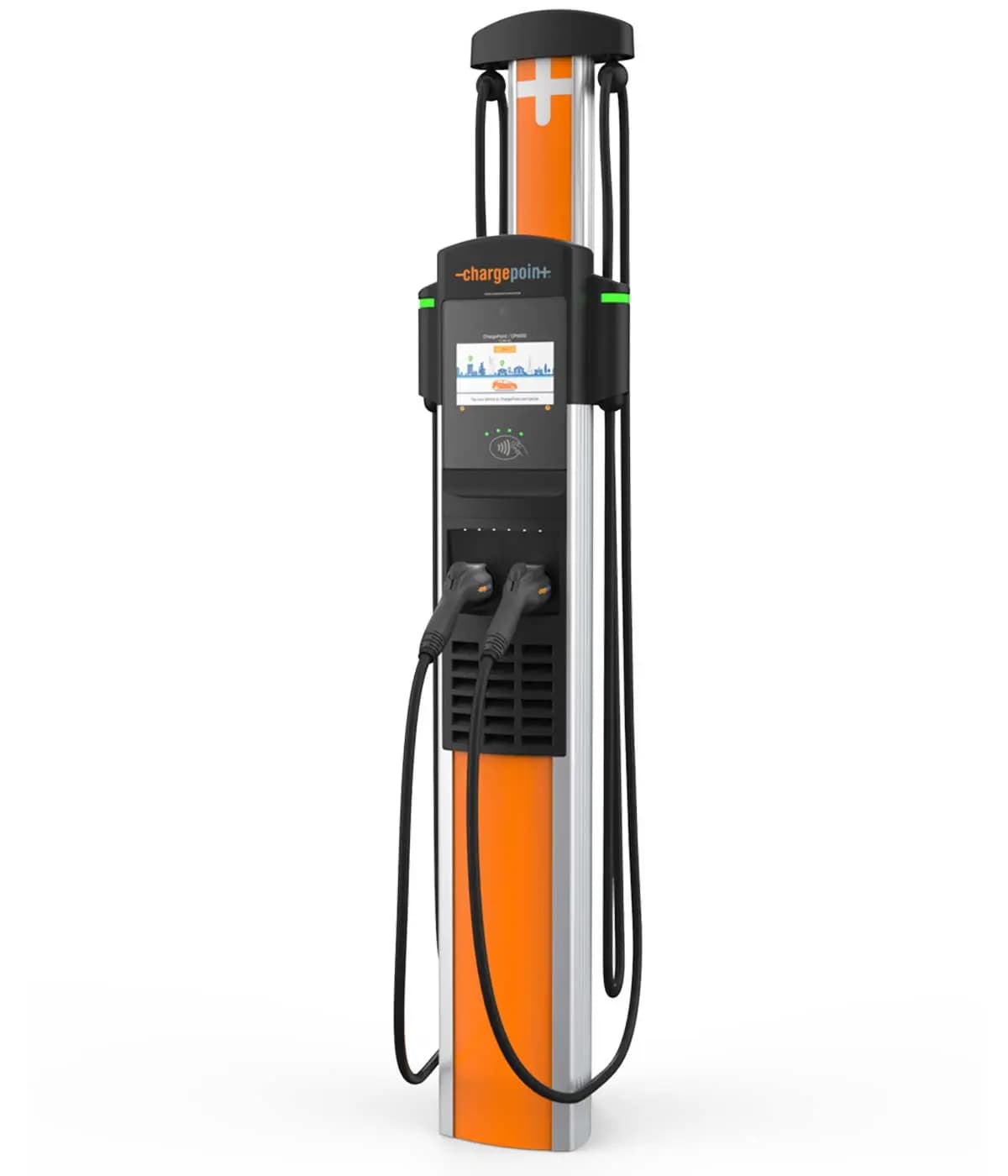
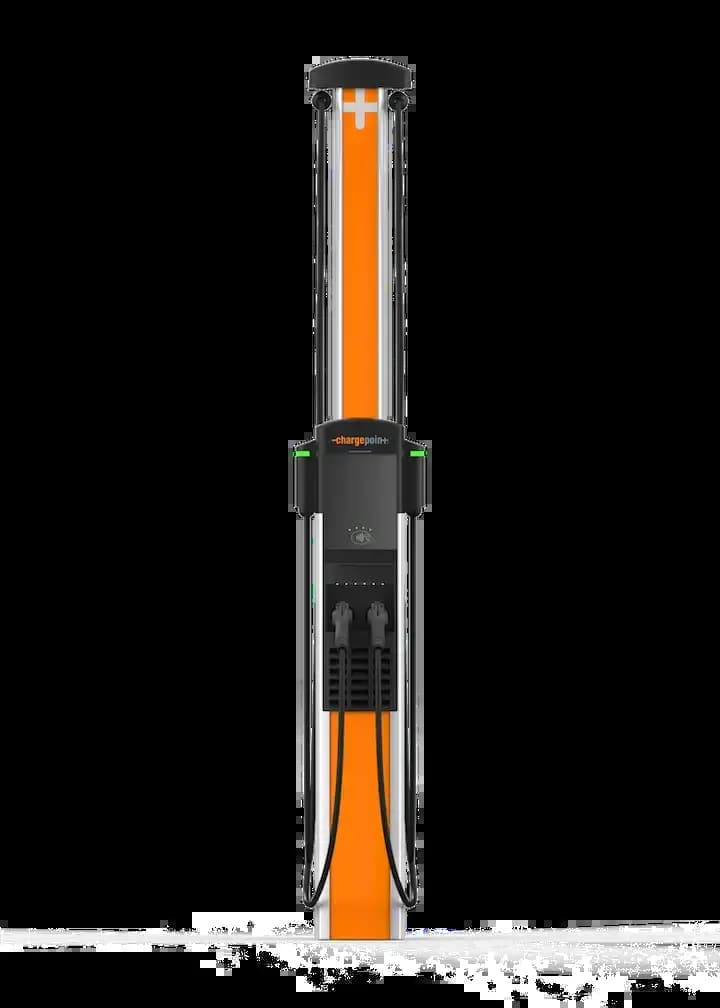
A versatile charger option designed for home and business charging environments.
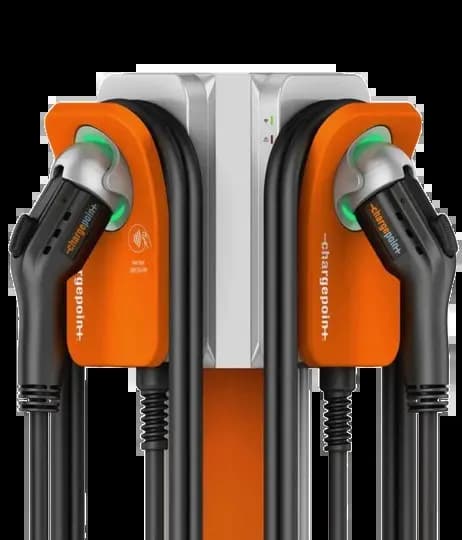
A practical fit for multifamily properties, workplaces, and fleet charging applications.
A higher-speed public charging option for busy commercial areas and fleet use cases.
Short answer: ChargePoint can be a strong fit for homeowners when the goal is dependable overnight charging, smart scheduling, and a charger ecosystem that matches the vehicle mix at the property.
ChargePoint can be a good fit for homeowners who want a Level 2 charger with straightforward daily use and a cleaner path into a networked charging ecosystem.
ChargePoint often enters the conversation when a homeowner is comparing Tesla-focused hardware with more brand-neutral options for current or future vehicles.
Short answer: ChargePoint is usually chosen for commercial work when network controls, access management, utilization reporting, or scalable site planning matter as much as raw charging speed.
ChargePoint is commonly evaluated for employee charging where a property wants to add EV support without jumping immediately into a high-cost fast-charging buildout.
The brand is a practical option for sites that need multiple users, controlled access, staged deployment, or a mix of daily and occasional charging demand.
Short answer: the right ChargePoint installation depends on electrical capacity, mounting location, cable reach, permit requirements, and whether the site needs room to expand later.
Short answer: compatibility should be checked before purchase, especially when a project involves mixed vehicle types, multifamily access rules, or local rebate requirements.
ChargePoint is often evaluated for mixed-vehicle environments because many projects are not tied to a single automaker.
Compatibility planning should include connector fit, intended user mix, and whether the site needs a simple private charger or a more managed access model.
If the property may scale later, it is worth planning conduit, electrical distribution, and parking layout for expansion before the first chargers go in.
ChargePoint is especially relevant for New York and Long Island projects where charging demand may come from commuters, employees, tenants, or customers sharing the same parking area. That local context often makes site planning, utility coordination, and rebate-aware phasing more important than brand alone.
Use these internal links to move from brand research into actual project planning, rebate review, local service coverage, or a direct quote request.
Discover the best EV charger options for your home or business, tailored to your needs.
We can help you compare charger options, verify electrical fit, and move from product selection to installation planning.
ChargePoint is often chosen because it has a broad commercial reputation, supports a range of property types, and fits projects where networking, access control, and usage visibility matter.
No. ChargePoint can also work well for residential charging, but it is especially common in workplace, fleet, mixed-use, and shared parking environments.
Common fits include offices, multifamily buildings, customer parking, municipal-style sites, fleet depots, and properties planning a phased rollout instead of a one-time install.
The main issues are available power, network needs, charger placement, ADA and parking layout considerations, utility coordination, and whether the site may expand with more ports later.
Yes. ChargePoint is a practical brand to evaluate for New York and Long Island commercial work because many local projects involve workplace, mixed-use, multifamily, or customer-facing parking areas.
Start by narrowing the property type, desired charging level, and number of users, then move into site planning, rebate review, and a quote request so the installation scope can be defined clearly.
Discover top manufacturers and EV charging solutions tailored to your needs.
Discover state-specific rebate programs for EV charger installation in New York, New Jersey, Pennsylvania, Connecticut, Long Island, Delaware, and Philadelphia.
Start here if rebate timing, make-ready support, or financing could affect the charger type or installation scope you choose.

Take advantage of MakeReady, NYSERDA, and more to cover EV charger installation costs in New York.
Learn More
Explore New Jersey's incentives for EV charger installations, including state-specific programs.
Learn More
Find out how Pennsylvania’s rebate programs can help you install EV chargers at reduced costs.
Learn More
Learn about Connecticut’s EV charger incentives, from installation rebates to financing options.
Learn More
Explore the various EV charger rebates available in Long Island, including local and state incentives.
Learn More
Check out the EV charger incentives and rebates available for residents and businesses in Delaware.
Learn More
Philadelphia offers several rebate programs to make EV charger installation more affordable.
Learn MoreLearn more about rebates in all US locations
Learn MoreYes. Incentive programs often depend on geography, utility participation, charger type, property use, and documentation requirements.
No. Many programs are designed for commercial, workplace, fleet, multifamily, or publicly accessible charging in addition to residential installations.
At the start of the planning process, before the charger model and project scope are finalized, so paperwork and eligibility do not become an afterthought.
Yes. Make-ready support can materially reduce the electrical infrastructure cost for qualifying projects, especially in commercial or multi-port deployments.
Most visitors move next to their state rebate page, a local town page, or a service page that matches the charger type and property category they are planning.
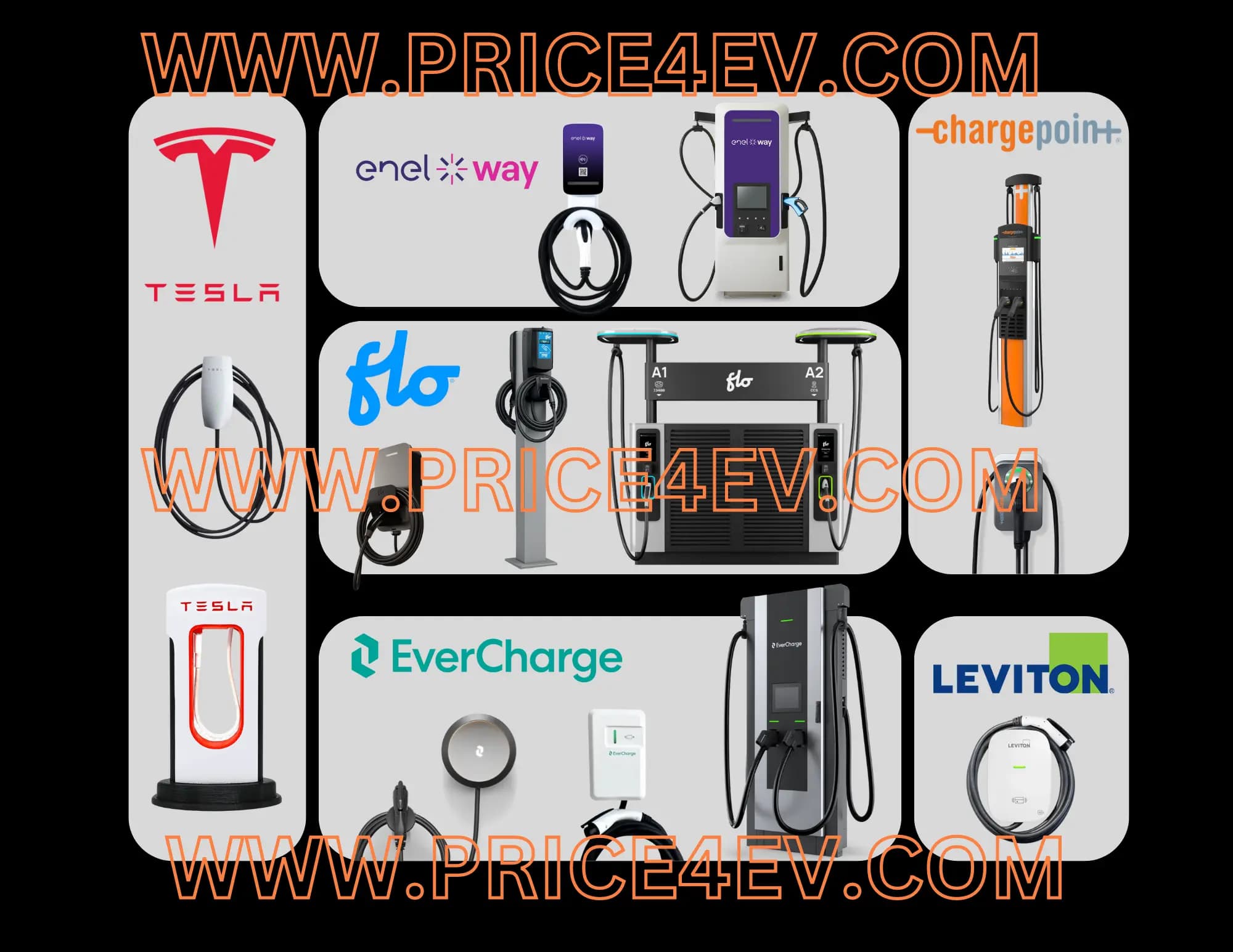
Discover reliable and efficient EV charging solutions from leading manufacturers.
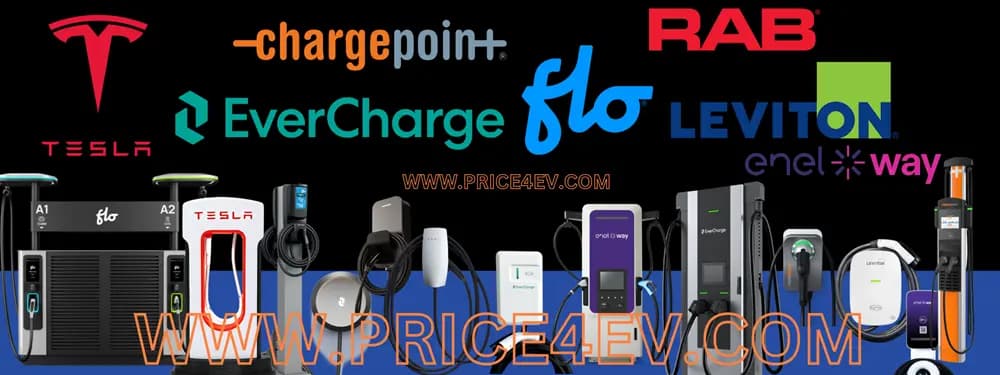
The right charger depends on how the property will actually use it. Once that is clear, it becomes much easier to compare charging speed, installation requirements, and which equipment tier makes sense for a home, commercial site, or future-ready upgrade.
Price4EV helps narrow the choice by project type first, then by charging level, electrical fit, and long-term use pattern.
Speak to our team today to schedule your EV charger installation or get a free consultation.
Call Us: (631) 483-9000