Residential installations
Level 2 home charger projects with panel review, permit coordination, and charger selection guidance.
Learn MorePrice4EV is an EV charger installation company serving Long Island, New York, New Jersey, Connecticut, Pennsylvania, Delaware, Philadelphia, Maine, and New Hampshire with residential and commercial project support for homes, multifamily properties, workplaces, fleets, and customer-facing sites. View service areas or request a quote.
Explore the main EV charger incentive paths used in New York, then connect those programs to residential and commercial installation planning with Price4EV.
Level 2 home charger projects with panel review, permit coordination, and charger selection guidance.
Learn More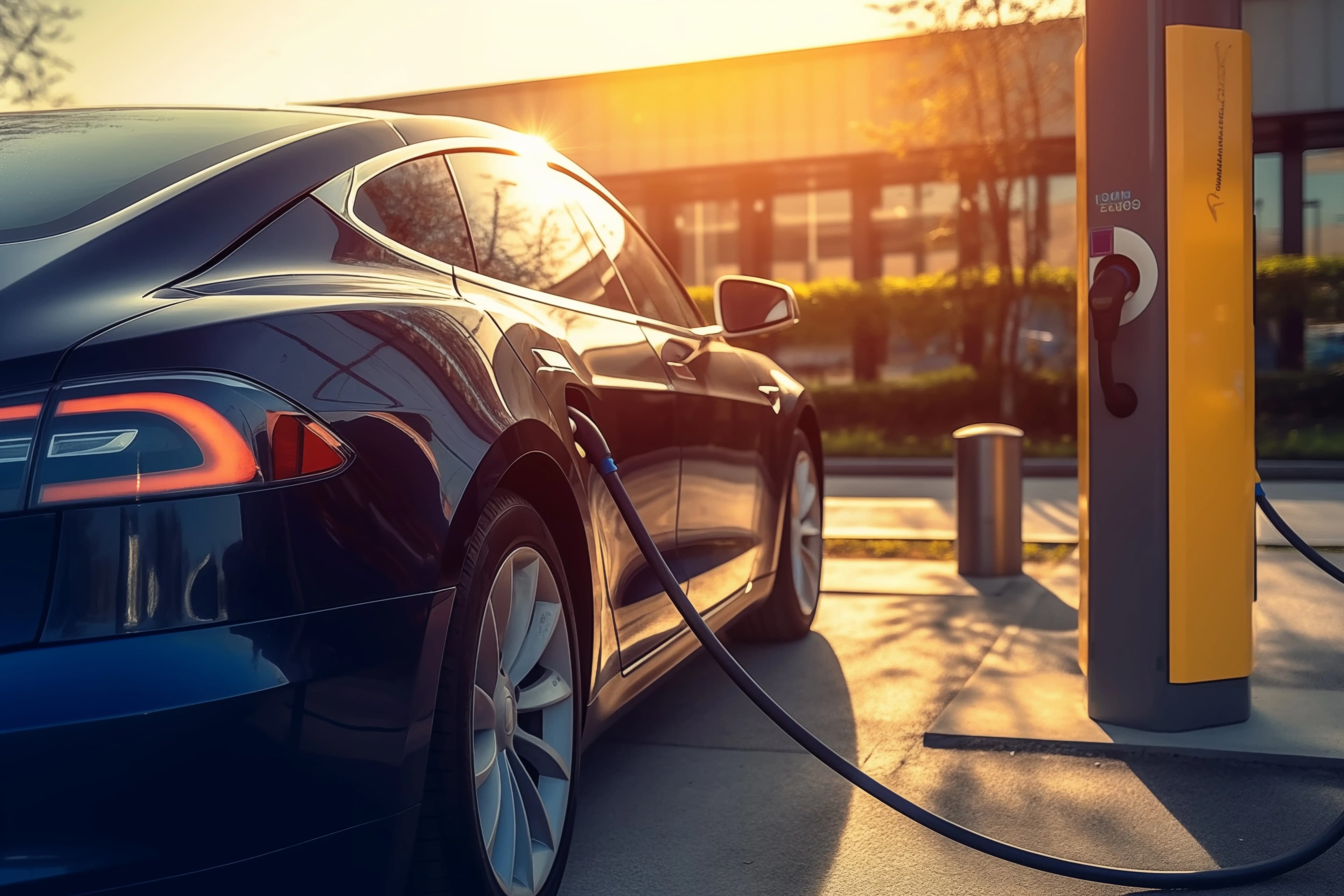
Turnkey charger planning for businesses, multifamily properties, fleets, and customer-facing sites.
Learn MoreThese are the programs most commonly referenced when planning EV charging work in New York and on Long Island.
Utility-backed make-ready support for the electrical work needed before charger installation.
Jump to sectionState incentive pathways that can reduce charger equipment and installation costs.
Jump to sectionSmart charging participation incentives for qualifying residential customers in New York.
Jump to sectionLong Island utility rebate support for qualified residential charger installs.
Jump to sectionBridge financing designed around expected federal and state tax credits.
Jump to sectionLow-interest financing support for eligible energy and electrification upgrades.
Jump to sectionSpeak to our team today to schedule your EV charger installation or get a free consultation.
Call Us: (631) 483-9000

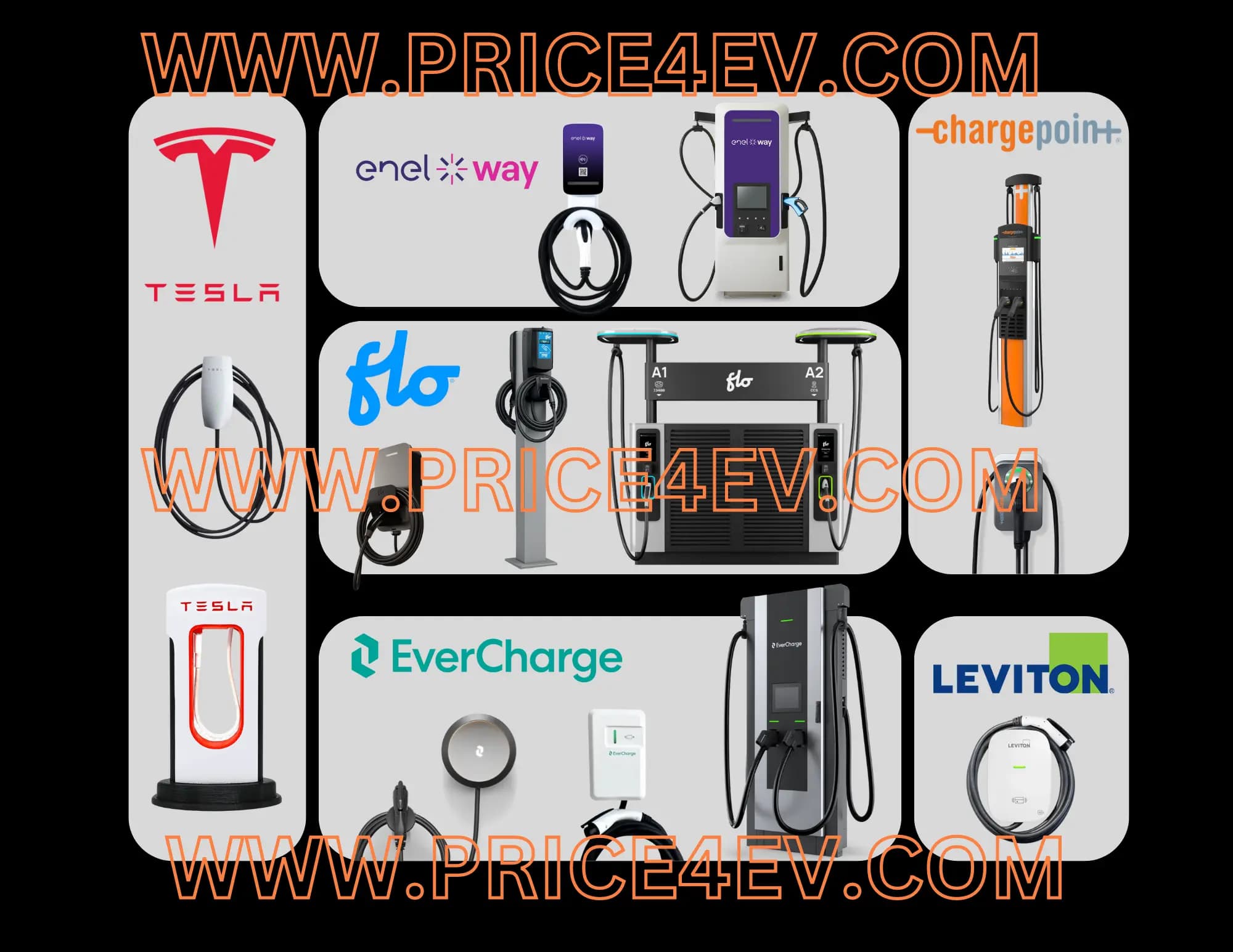
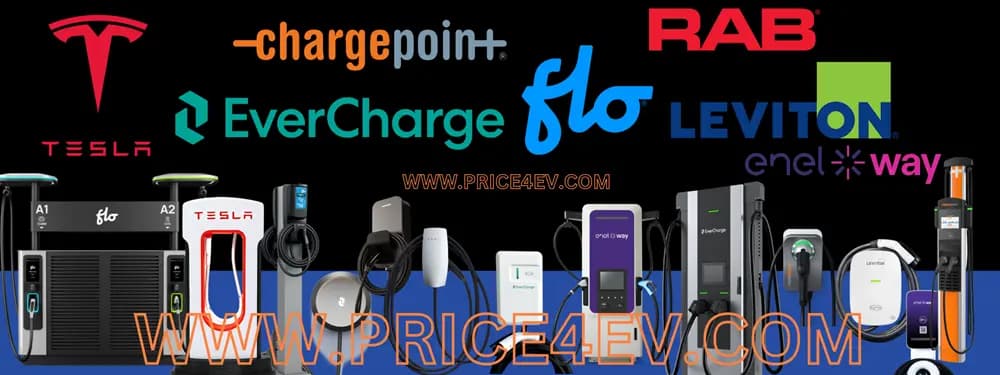
Discover reliable and efficient EV charging solutions from leading manufacturers.
The Make-Ready Program helps offset the electrical infrastructure work needed before EV chargers are installed, making larger charging deployments more practical for qualifying sites across New York.
The program can cover core site-readiness items such as panel upgrades, transformers, conduit work, and metering.
Qualifying projects may receive substantial reimbursement, with some categories reaching up to full make-ready cost coverage.
Support is available for new non-residential charging stations, including both Level 2 and DC fast charging projects.
A portion of available funding is prioritized for disadvantaged communities and projects that improve charging access.
Participants generally work with their utility provider as part of the incentive process. Utilities help validate site-readiness scope and reduce the cost burden tied to electrical preparation.
Installed chargers are expected to meet technical and interoperability standards, including evolving hardware and software requirements that support long-term charger reliability and grid integration.
For many commercial and publicly accessible charging installations, the electrical work is the biggest cost driver. Make-ready support can materially change project feasibility and improve deployment speed.
NYSERDA supports EV charging adoption in New York through incentive programs and financing pathways that help lower upfront cost while improving charger access and energy performance.
Programs may support both Level 2 and DC fast charging installations depending on project type and location.
Funding can offset a meaningful portion of charger equipment and installation costs for qualifying applicants.
Businesses, government entities, nonprofits, and other organizations can use NYSERDA programs to support charging deployment.
Homeowners can also explore financing for broader energy-efficiency upgrades that often complement electrification projects.
Applicants are expected to comply with technical and operational standards that keep charging infrastructure safe, reliable, and accessible. Ongoing reporting or maintenance obligations may also apply.
Projects typically begin with a review of the active NYSERDA program guidelines, followed by a formal application or contractor-led submission path.
For residential financing programs, a no-cost energy assessment is often required before financing is approved.
NYSERDA financing can support upgrades such as heat pumps, solar, insulation, and other clean-energy improvements that reduce energy costs and improve home performance.
Loan amounts can reach meaningful levels for eligible homeowners, making it easier to pair EV charging with broader electrification improvements.
OptimizEV rewards drivers who shift EV charging to lower-demand periods, helping reduce grid strain while creating potential savings and incentive payments for eligible participants.
Qualifying participants may receive an enrollment incentive plus ongoing monthly rewards for shifting most charging to off-peak hours.
More active charging management can qualify for a higher one-time incentive and deeper smart-charging participation.
Charging during off-peak periods can reduce electricity cost and improve charging efficiency at home.
Managed charging helps align EV load with cleaner and less constrained parts of the daily grid profile.
Enrollment is typically open to qualifying residential customers with an eligible internet-connected charger and the ability to participate in managed charging requirements.
The program encourages charging when electricity demand is lower. That reduces stress on the grid, improves system efficiency, and helps move EV load to better times of day.
PSEG Long Island offers residential charger rebate support for qualified Level 2 installations, with additional value available for some disadvantaged-community households.
Qualified Level 2 charger installations may be eligible for a base rebate, helping offset equipment and installation costs.
Customers in designated disadvantaged communities may qualify for additional incentive value on top of the base rebate.
PSEG Long Island also offers broader infrastructure support for eligible commercial charging sites.
Application and verification run through the utility program, including charger qualification and documentation requirements.
Residential applicants generally need a qualified ENERGY STAR certified Level 2 charger installed at a Long Island residence. Additional support may depend on disadvantaged-community eligibility.
Applicants should begin through the PSEG Long Island portal and be prepared to provide charger qualification details and any additional documentation requested for enhanced rebate categories.
For businesses and larger sites, PSEG Long Island make-ready support can help cover key infrastructure work required for charger deployment.
Discover top manufacturers and EV charging solutions tailored to your needs.
This short-term financing option is designed to bridge the gap between upfront project spending and the future receipt of expected federal or state tax credits tied to clean-energy investments.
The loan can help cover project cost while borrowers wait for expected tax-credit proceeds.
Bridge financing may be combined with other qualifying NYSERDA financing options for broader project support.
Programs often align with solar, heat pump, and other clean-energy technologies that support electrification goals.
The loan is intended as short-term bridge capital rather than a long-term amortized financing solution.
Loan amounts may range from modest project support up to larger qualifying values, with repayment expected on a shorter timeline than long-term energy loans.
Borrowers remain responsible for repayment even if ownership of the property changes.
Bridge financing is most useful when a project is economically sound but the timing of the tax-credit benefit creates an upfront cash-flow gap.
The Smart Energy Loan helps finance energy-efficiency and electrification upgrades with repayment structures designed to make larger home improvements easier to phase over time.
Eligible projects can include solar, heat pumps, and other improvements that improve home energy performance.
Loan sizes and repayment periods can scale to the size of the underlying project and borrower profile.
Repayment may be available through direct monthly payment methods, with on-bill recovery available in some scenarios.
Financing can make it easier to pair EV charging with broader energy upgrades rather than treating each project separately.
Applicants generally need to own the property or be an authorized representative in New York, with final eligibility depending on the specific financing program rules.
Loan amounts can support both modest and more ambitious home improvement scopes, with term lengths that stretch repayment over several years.
Some structures allow repayment through utility billing so that project savings and financing can stay more closely aligned.
A no-cost energy assessment and work with a participating contractor can help determine which upgrades fit the program and how to structure the financing application.
The right charger depends on how the property will actually use it. Once that is clear, it becomes much easier to compare charging speed, installation requirements, and which equipment tier makes sense for a home, commercial site, or future-ready upgrade.
Price4EV helps narrow the choice by project type first, then by charging level, electrical fit, and long-term use pattern.