
Typical project scope
Commercial work often includes site review, charger count planning, electrical and load review, parking design, permit coordination, utility interaction, installation, commissioning, and planning for expansion.
Price4EV is an EV charger installation company serving Long Island, New York, New Jersey, Connecticut, Pennsylvania, Delaware, Philadelphia, Maine, and New Hampshire with residential and commercial project support for homes, multifamily properties, workplaces, fleets, and customer-facing sites. View service areas or request a quote.
Commercial Charging
Commercial charging projects succeed when the charger type, parking layout, and electrical strategy match the actual business case. Price4EV helps businesses and property owners across its service areas plan workplace, fleet, mixed-use, and customer-facing EV charger installations while also supporting residential projects elsewhere on the site.
This page is intended for property owners, operators, and teams comparing phased rollout decisions, site design, utility coordination, and the difference between Level 2 and faster commercial charging strategies.
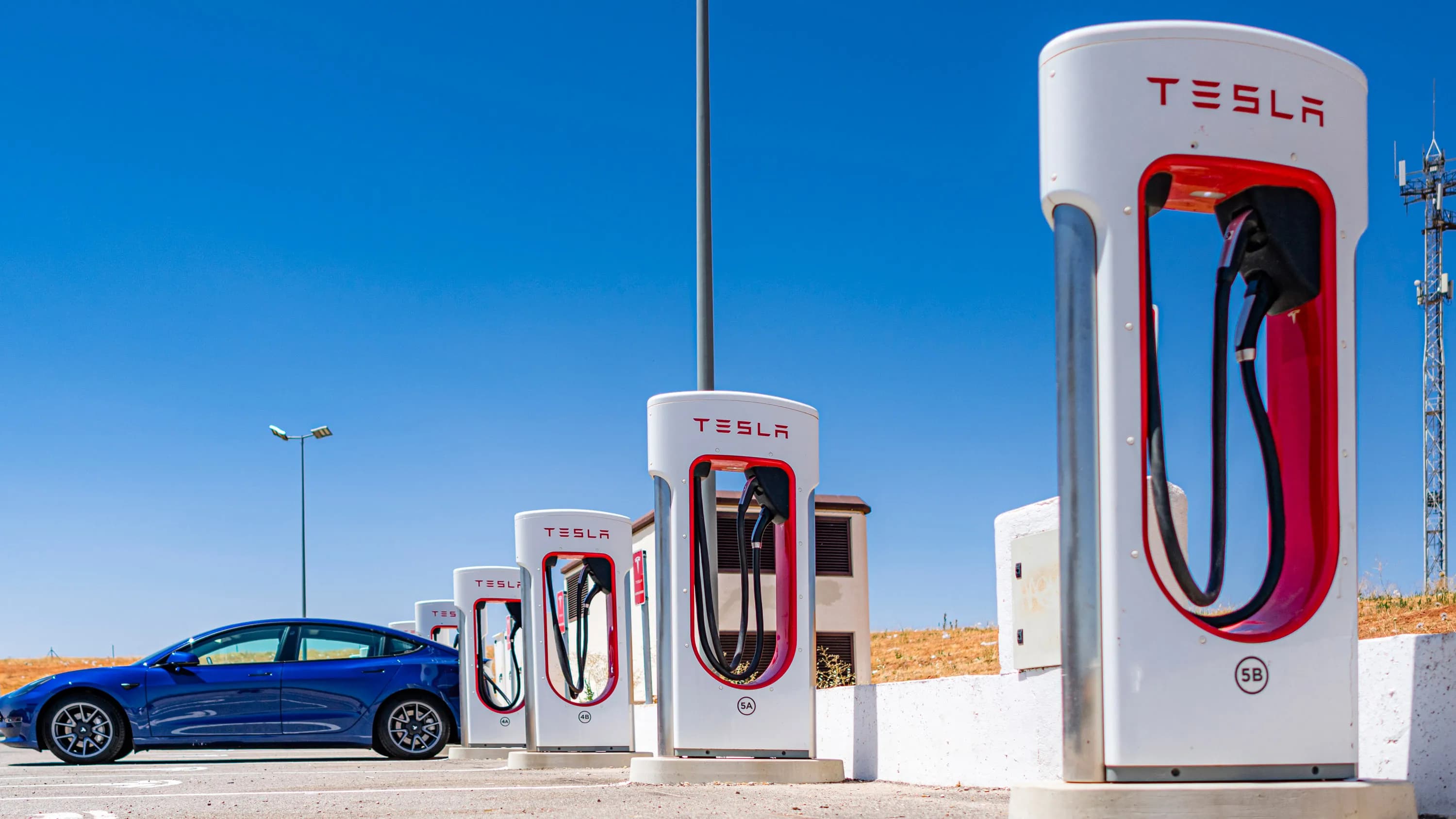
Commercial projects are more quote-worthy and citation-worthy when they explain the actual design and operations variables that change cost, timeline, and charger choice.
Commercial work often includes site review, charger count planning, electrical and load review, parking design, permit coordination, utility interaction, installation, commissioning, and planning for expansion.
Scope usually changes with available service capacity, trenching, conduit paths, networking, mounting style, charger power level, accessibility needs, utility upgrades, and the number of ports being deployed.
Commercial timelines vary based on site design, utility coordination, municipal approvals, load planning, procurement, and whether the property is phasing the rollout or building all chargers at once.
Workplaces, multifamily properties, fleets, retail and hospitality sites, mixed-use developments, and other parking environments where shared charging must fit business operations.
The right commercial charging plan depends on how the property will actually use the chargers, how much power is available, and whether the deployment is being built for current demand only or future expansion.
Level 2 is often the practical choice for workplaces, multifamily properties, and longer dwell-time parking. DC fast charging usually belongs at sites that need quicker turnover, higher utilization, or a stronger revenue and throughput case.
A phased rollout can reduce upfront risk and let the property learn real usage patterns, while a full buildout can make sense when demand, utility readiness, and capital planning are already clear.
Private employee or tenant charging usually has simpler access rules than public-facing charging, which may need clearer visibility, payment expectations, signage, and operational oversight.
A lot with nearby capacity and short wiring runs is very different from a site that needs transformer work, trenching, distribution upgrades, load management, or major civil coordination.
Short answer: commercial charging is usually about supporting drivers on site, improving property utility, and planning for EV demand without overspending on the wrong infrastructure.
Commercial cost is often driven by infrastructure and site work, not just by the charger price.
The process usually starts by defining users, confirming power and layout, aligning equipment, and then moving into approvals and construction.
Commercial timelines are longer when utility coordination, trenching, phased work, or property approvals are involved.
Yes. Permits and approvals can materially affect schedule, so they belong in early scoping.
Rebates and make-ready support can materially change project economics for qualified sites, so they should be reviewed early.
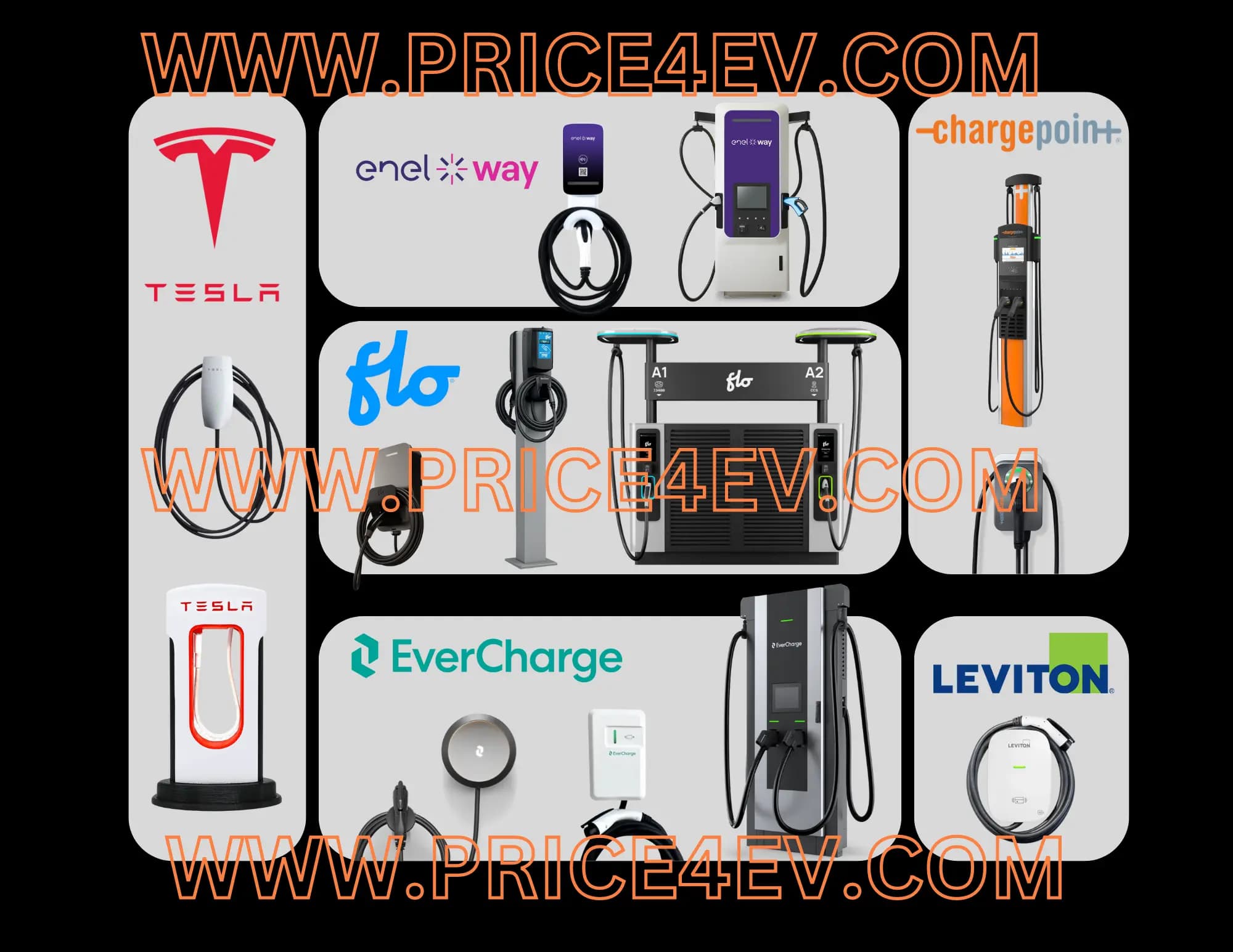
The right charger depends on how the property will actually use it. Once that is clear, it becomes much easier to compare charging speed, installation requirements, and which equipment tier makes sense for a home, commercial site, or future-ready upgrade.
Price4EV helps narrow the choice by project type first, then by charging level, electrical fit, and long-term use pattern.
It should start with who will use the chargers: employees, residents, customers, fleet drivers, or a mix of users with different dwell times.
Power availability, parking layout, conduit paths, networking, accessibility, permits, and future expansion all shape the right installation path.
Many commercial sites do better with a phased Level 2 rollout than with an immediate fast-charging build. The right answer depends on demand, dwell time, and property economics.
Commercial work usually needs tighter planning because approvals, rebates, and electrical infrastructure can all affect schedule and cost.

A common fit for offices and campuses that want employee charging as an amenity without turning the site into a high-turn public charging hub.
Apartment, condo, and mixed-use projects often need a more deliberate plan for shared access, future growth, and electrical allocation.
Fleet projects should be built around vehicle dwell time, route patterns, overnight charging windows, and operational uptime instead of generic charger marketing claims.
The highest-value next step is to scope the property properly: who will charge there, how often, at what speed, and with what electrical capacity. That is where commercial EV charging becomes a project instead of a generic product purchase.
Good candidates include workplaces, mixed-use properties, multifamily sites, fleets, retail parking, hospitality, municipal-style lots, and customer-facing properties with longer dwell time.
No. Many business properties are better served by Level 2 charging, while DC fast charging is more appropriate when the site needs quick turnover, higher utilization, or time-sensitive charging.
Commercial cost depends heavily on power availability, trenching or conduit work, networking needs, charger count, site layout, and whether the project is being phased or built all at once.
Yes. Many properties start with a smaller number of chargers, learn how drivers use them, and expand later once demand and electrical strategy are clearer.
Commercial projects often involve local permits, utility coordination, accessibility considerations, and internal property approvals before installation can begin.
They should be reviewed at the beginning of the planning process because they can change the economics, electrical design, and charger strategy of the project.
Speak to our team today to schedule your EV charger installation or get a free consultation.
Call Us: (631) 483-9000