
What Price4EV installs
Level 1 and Level 2 home charging setups, plus planning for outdoor placements, detached parking, two-EV households, and projects that may need panel or service review.
Price4EV is an EV charger installation company serving Long Island, New York, New Jersey, Connecticut, Pennsylvania, Delaware, Philadelphia, Maine, and New Hampshire with residential and commercial project support for homes, multifamily properties, workplaces, fleets, and customer-facing sites. View service areas or request a quote.
Residential Charging
Residential charging works best when the install is planned around the home, not just the charger box. Price4EV helps homeowners across its service areas choose the right charging level, verify electrical fit, understand permit and rebate considerations, and move from research into a practical installation plan, while also supporting commercial EV charger projects for business properties.
This page is for homeowners comparing home charging cost, equipment fit, permit questions, and the difference between a straightforward install and a project that needs more electrical work.

Home EV charging becomes easier to evaluate when the page spells out the real installation variables instead of implying that every house is the same.
Level 1 and Level 2 home charging setups, plus planning for outdoor placements, detached parking, two-EV households, and projects that may need panel or service review.
Panel capacity, breaker space, wiring distance, charger amperage, indoor versus outdoor mounting, trenching, permit scope, and whether the charger will be plug-in or hardwired.
The right setup can change by property type, municipality, charger brand, utility territory, and whether a rebate program requires specific equipment or documentation.
The best quote requests identify the home location, parking setup, charger goal, vehicle type, and whether the owner already knows about panel limits, conduit distance, or permit concerns.
These short comparisons help separate everyday homeowner decisions from edge cases that need more infrastructure or a different charger strategy.
Plug-in chargers can work well when the receptacle setup makes sense, while hardwired chargers are often preferred for a cleaner permanent installation, higher amperage, or jurisdictions that favor direct wiring.
A basic install is more likely when the charger is near the panel and capacity is available. Projects with a panel upgrade usually need load review, more labor, and a longer schedule.
A one-EV home may only need dependable overnight charging, while a two-EV household often needs more thought around charging speed, cable reach, parking routine, and future load management.
Tesla hardware can be the natural fit for a Tesla-only household, while universal chargers often make more sense when the household may change vehicle brands or wants easier compatibility across multiple EVs.
Short answer: a dedicated home charger makes daily charging more predictable, more convenient, and easier to build into the normal routine of leaving home each morning with a full battery.
Residential cost is driven less by the charger itself and more by electrical distance, panel capacity, and whether upgrades or outdoor work are required.
The process usually starts with charger choice and site review, then moves through electrical planning, permit considerations, installation, and final testing.
Simple installs move faster than homes that need panel work, utility coordination, or permit turnaround.
Yes. Permit needs vary by municipality, but they should be treated as part of the project scope early rather than as an afterthought.
Rebates can improve project economics, but the timing, equipment, and paperwork requirements should be checked before the charger is purchased.
The right charger depends on how the property will actually use it. Once that is clear, it becomes much easier to compare charging speed, installation requirements, and which equipment tier makes sense for a home, commercial site, or future-ready upgrade.
Price4EV helps narrow the choice by project type first, then by charging level, electrical fit, and long-term use pattern.
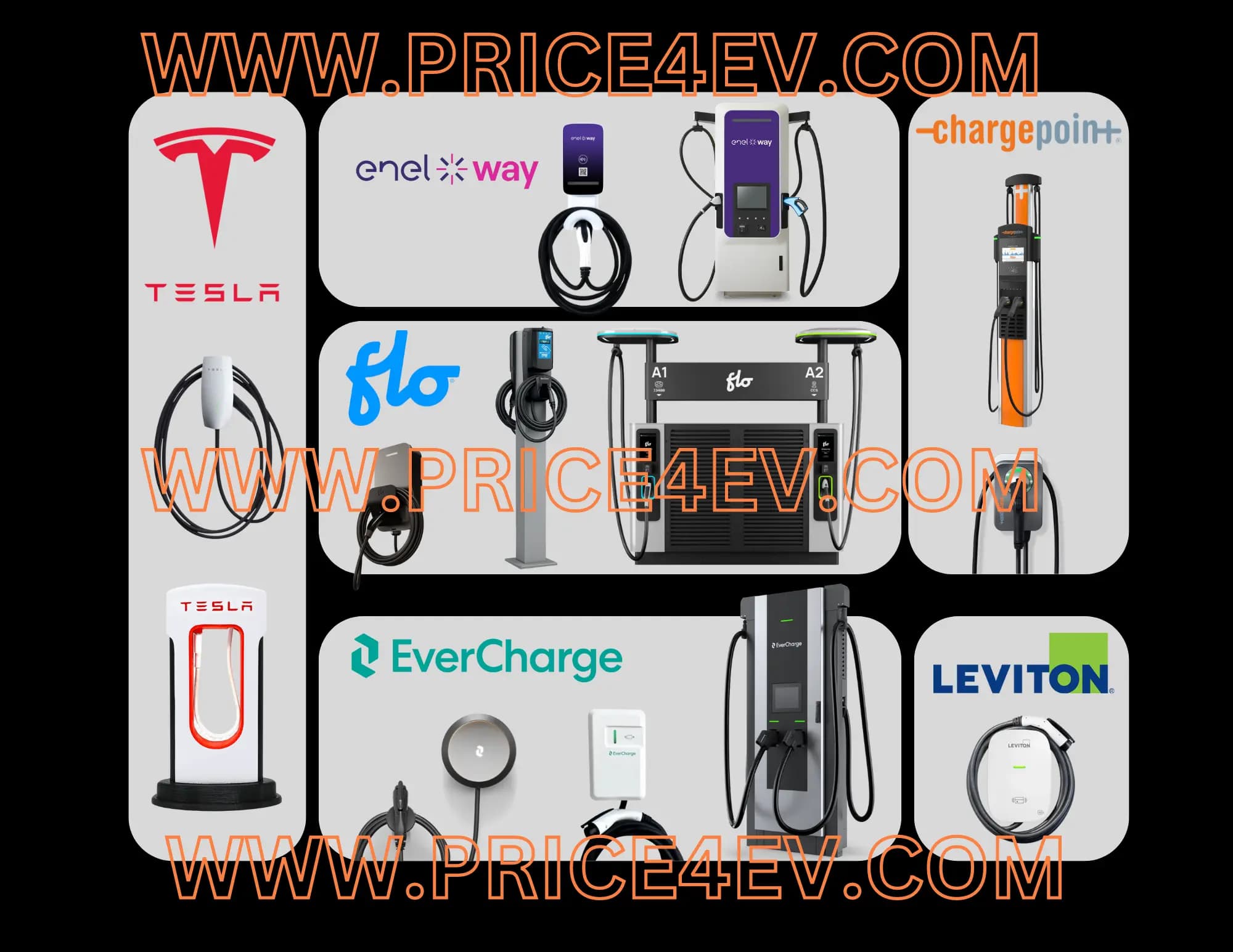
It usually starts by confirming the charging goal: simple overnight charging, a two-EV household setup, or a future-ready plan that may need more flexibility later.
The main early questions are panel capacity, dedicated circuit availability, cable run distance, charger mounting location, and whether the installation is indoor or outdoor. Permit requirements should be checked at the same stage so they do not slow the project later.
Before installation starts, the charger choice should make sense for the car, the home, and any permit or rebate path tied to the project.
The last stage is the physical install, testing, and practical setup so the charger is ready for everyday use instead of just technically energized. Straightforward jobs move faster than projects that need panel work or slower municipal review.
The most common project is a Level 2 charger in a garage, driveway, or side-yard parking position where the homeowner wants reliable overnight charging.
Homes with more than one EV need better planning around charging speed, parking routine, and whether one charger or a future expansion path makes more sense.
Some homes need longer runs, trenching, pedestal mounting, or additional weather considerations because the charger is not being mounted directly inside a garage.
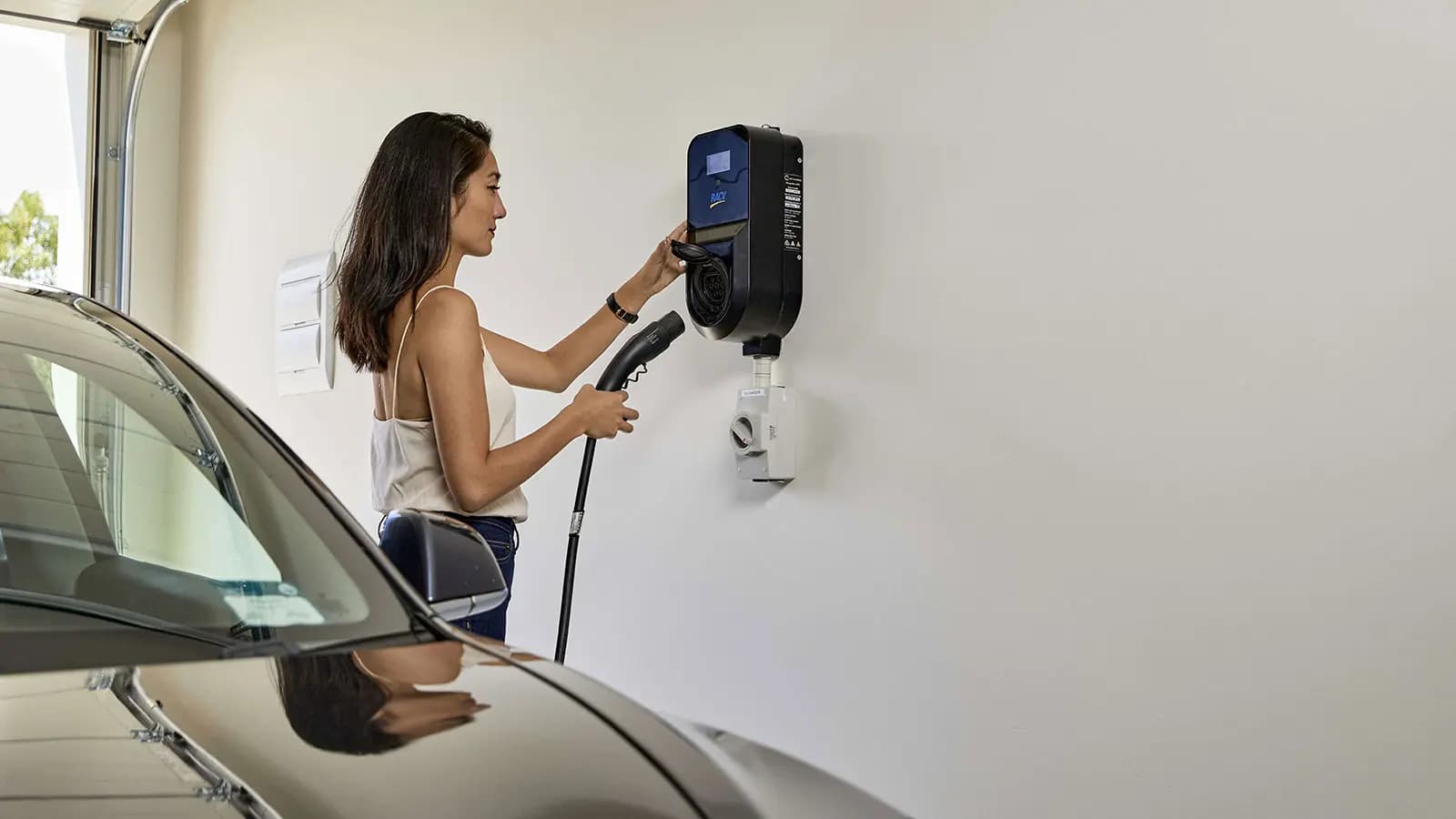
A good residential install starts with charger fit, parking layout, panel capacity, and a realistic timeline. If you already know the charger you want or you are still comparing options, the next useful step is a quote request tied to the actual property.
Cost depends on the charger model, circuit length, panel capacity, and whether the home needs added electrical work. A straightforward garage install is usually simpler than an outdoor install with a long run or panel upgrade.
A simple installation can move faster than a project that needs permit review, panel work, or longer conduit runs. The real timeline depends on site readiness, equipment choice, and local approval requirements.
Most homeowners eventually prefer Level 2 because it supports dependable overnight charging and fits daily driving better than charging from a standard outlet alone.
Not always. Some homes already have enough capacity, while others need a load calculation, breaker space review, or a broader electrical upgrade before the charger can be installed safely.
Yes. Outdoor charging is common, but the install should account for weather exposure, mounting surface, cable management, and where the vehicle normally parks.
Yes. Rebate and incentive rules can affect which equipment makes sense and what documentation is needed, so it is better to review incentives before the project is finalized.
Speak to our team today to schedule your EV charger installation or get a free consultation.
Call Us: (631) 483-9000